Happy Hour on Orlistat: How Wine, Beer, and Cocktails Interact With a Fat-Blocking Medication

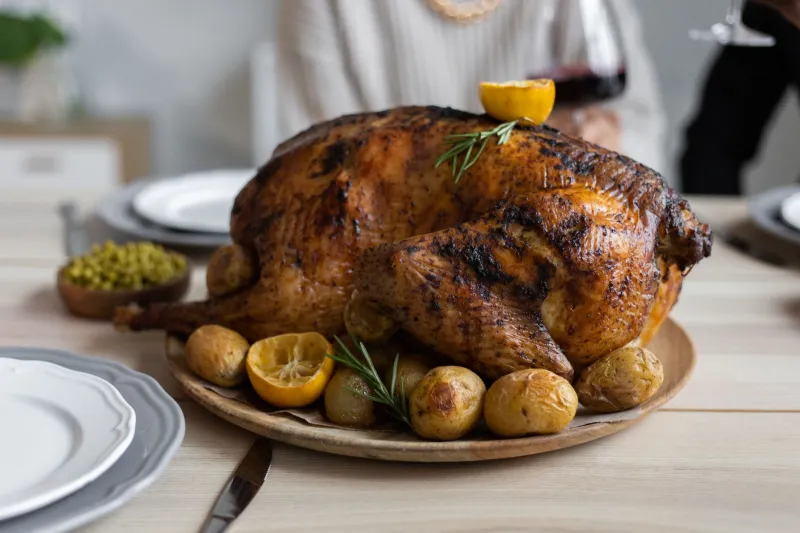
Photo by Photo by Gio L on Unsplash on Unsplash
For many Americans taking Orlistat, the question doesn't arrive at the pharmacy counter. It arrives at a restaurant table, a backyard barbecue, or a Friday-night happy hour, when a friend orders a round and you pause: Can I actually drink on this medication?
The short answer is that Orlistat and alcohol do not interact in the dangerous, medication-conflict sense that defines most drug-and-alcohol warnings. But the longer answer—covering efficacy, calories, and your gastrointestinal comfort—is more nuanced, and worth understanding before you order.
First, the Pharmacology: Why There's No Direct Interaction
Orlistat works locally in the digestive tract. Unlike most medications, it is barely absorbed into the bloodstream at all. It blocks roughly one-third of the dietary fat you eat by inhibiting lipase enzymes in the stomach and small intestine, then exits the body the same way it entered.
Alcohol, by contrast, is absorbed primarily through the stomach lining and small intestine and metabolized by the liver. Because Orlistat never meaningfully enters systemic circulation, it does not interfere with alcohol metabolism—and alcohol does not alter how Orlistat blocks fat. Neither the FDA labeling nor clinical trial data identify alcohol as a contraindicated substance.
That absence of a direct interaction is genuinely good news. It is not, however, the whole story.
Where Alcohol Quietly Works Against Your Results
The first complication is arithmetic. A fat-restricted diet is the foundation of Orlistat therapy—typically 20 to 30 percent of daily calories from fat. Alcohol adds calories without fat, which sounds harmless until you remember two things.
First, those calories still count. A standard glass of wine runs about 120 calories, a light beer roughly 100, and a mixed cocktail can easily exceed 250 before the garnish. Second, when you drink, your body prioritizes metabolizing ethanol over burning fat and carbohydrate, temporarily pausing fat oxidation. On a medication whose entire purpose is reducing fat absorption, drinking in a way that slows fat burning is somewhat self-defeating.
There's also the food factor. Alcohol lowers inhibition, and lowered inhibition at a Mexican restaurant or a Super Bowl party rarely leads to ordering the grilled chicken. The margarita itself isn't the problem; the queso it accompanies usually is. High-fat meals taken with Orlistat are precisely what trigger its most notorious side effects—oily stools, urgency, and the infamous treatment effects no one enjoys discussing.
The Digestive Reality Check
Both alcohol and Orlistat are gastrointestinal irritants in their own way. Alcohol can inflame the stomach lining and accelerate intestinal transit; Orlistat increases the fat content of what remains in the gut. Combine the two—especially with a rich dinner—and you may experience bloating, cramping, or a bathroom emergency at the least convenient moment.
This isn't a medical danger, but it is a logistical one. Anyone who has read the side-effect literature knows the practical rule: the more fat in the meal, the greater the risk. Alcohol simply increases the odds that the meal in question is a high-fat one.
Practical Ground Rules for the Social Drinker
You do not need to become a teetotaler to succeed on Orlistat. Clinical guidance and the experience of long-term users converge on a few sensible habits:
- Cap it at one or two standard drinks. The CDC defines moderate drinking as up to one drink daily for women and two for men. Staying within that range limits both calories and digestive disruption.
- Choose lower-calorie options. Dry wine, light beer, and spirits with zero-calorie mixers beat creamy cocktails and sweetened drinks on every metric.
- Keep the accompanying meal lean. Grilled, baked, or steamed entrees rather than fried or cream-based dishes dramatically reduce the risk of treatment effects.
- Hydrate between drinks. Water slows consumption, eases the dehydrating effect of alcohol, and supports the digestive comfort that Orlistat users depend on.
- Skip the late-night food run. The 1 a.m. slice of pizza is where most Orlistat side-effect stories begin.
A Note on Hangovers and Multivitamin Timing
One under-appreciated wrinkle: Orlistat can reduce absorption of fat-soluble vitamins (A, D, E, and K), which is why a daily multivitamin taken at bedtime is standard advice. Heavy drinking can disrupt sleep and digestion on the same evenings you're relying on that supplement to do its work. If your evenings are occasionally festive, take the multivitamin two hours before or after your Orlistat dose, and consider whether alcohol is interfering with the consistency of the rest of your regimen.
The Bottom Line
Orlistat won't clash with your glass of wine, but alcohol can quietly erode the calorie deficit, food discipline, and digestive predictability that make the medication effective. For most users, the answer isn't abstinence—it's strategy. Drink moderately, order wisely, and treat happy hour as an occasional indulgence rather than a weekly fixture. Your results, like your evening, will be better for the planning.