Eating Well on Orlistat Without Breaking the Bank: A Supermarket Walkthrough for Budget-Minded Shoppers

Grocery bills across the United States have climbed steadily over the past few years, and for people taking Orlistat, the pressure is compounded. The medication works best when dietary fat is kept to roughly 15–20 grams per meal, and many shoppers assume that means filling the cart with premium 'diet' products. The truth is considerably friendlier: a fat-restricted eating pattern can be one of the more economical ways to shop, provided you know where to look.
This walkthrough follows the layout of a typical American supermarket, pointing out inexpensive staples that align with Orlistat's requirements—and flagging the aisles where a budget can quietly derail itself.
Start in Produce: The Backbone of a Low-Fat Plate
Fresh produce carries no preparation-related fat and, when chosen seasonally, costs remarkably little. Bananas, apples, carrots, and cabbage are among the cheapest items in the entire store, and all of them fit comfortably into an Orlistat-friendly meal plan. Frozen vegetables deserve equal attention: a multi-pound bag of frozen broccoli or mixed vegetables often costs less per serving than canned alternatives and retains more nutrients.
One caution applies here. Some frozen vegetable blends come with butter sauces or cheese seasonings that add significant fat. Plain varieties are the better choice—flavor can be added at home with lemon juice, herbs, or a splash of vinegar.
Grains, Beans, and Pantry Aisles: Where Savings Compound
Dry staples are the budget shopper's greatest asset. Brown rice, oats, whole-wheat pasta, and dried lentils deliver satiety at pennies per serving, and their naturally low fat content makes them ideal companions to Orlistat. A single bag of dried beans can yield the protein base for a dozen meals at a fraction of the cost of any animal protein.
Canned goods deserve a spot on the list as well. Beans, tomatoes, and corn—when rinsed and drained—cost little and store indefinitely. The main pitfall in these aisles is impulse buying: chips, crackers, and baked snacks are not only high in fat but also among the most expensive items per pound in the store. Skipping them serves both the medication's requirements and the monthly budget.
Protein Without the Premium Price Tag
Lean protein is where many Orlistat users overspend, often by defaulting to boneless, skinless chicken breast or fresh fish. Consider the alternatives:
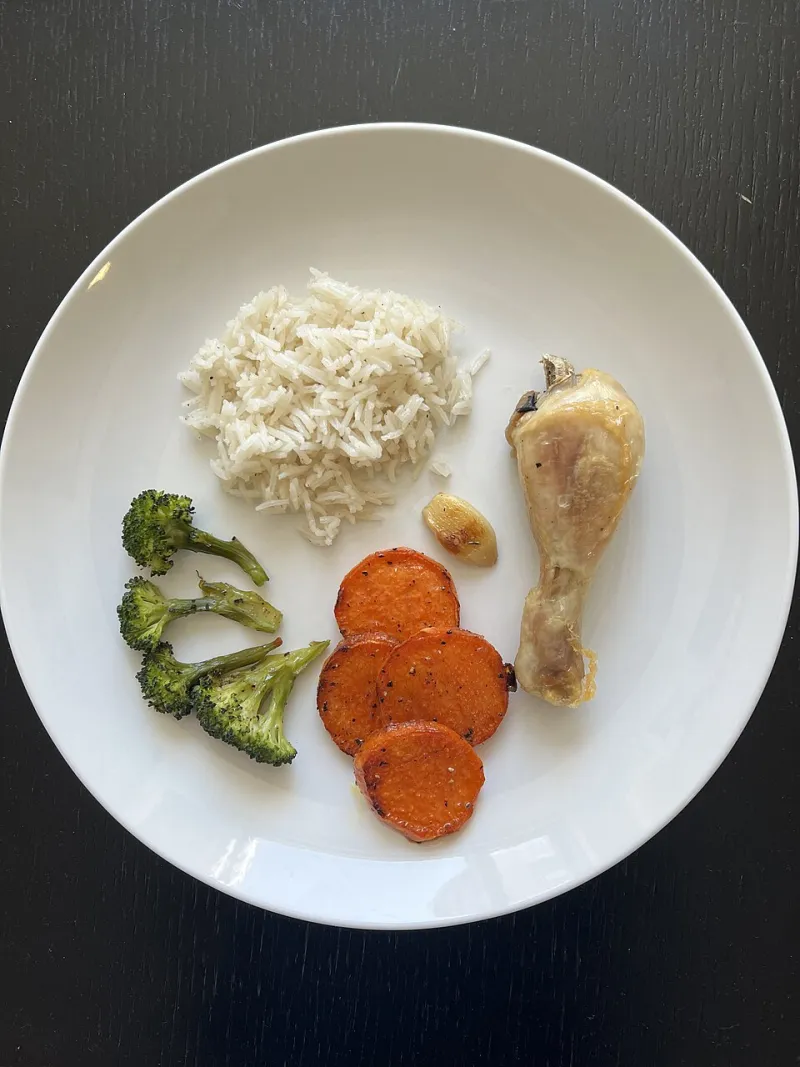
- Chicken thighs and drumsticks, trimmed of skin, cost dramatically less per pound than breast meat and remain flavorful under simple roasting.
- Egg whites, or a combination of one whole egg with additional whites, provide inexpensive breakfast protein with minimal fat.
- Canned tuna packed in water offers shelf-stable, low-fat protein that frequently goes on sale.
- Dried and canned legumes supply protein and fiber together at the lowest cost of any protein source in the store.
Ground turkey breast and 93%-lean ground beef occasionally appear in weekly promotions and can be frozen in meal-sized portions. Checking store circulars before shopping—most chains publish them online—turns protein shopping from guesswork into strategy.
Dairy and Refrigerated Cases: Read Labels, Save Money
Fat-free dairy has matured into a genuinely affordable category. Skim milk, fat-free Greek yogurt, and low-fat cottage cheese deliver protein and calcium without the fat that triggers Orlistat's digestive side effects. Store brands in this category are typically 20–40% cheaper than national labels with virtually identical nutrition panels.
The refrigerated case also contains the budget shopper's biggest trap: pre-shredded cheese, reduced-fat salad dressings, and diet desserts. Even 'light' cheese carries meaningful fat per serving, and small packages of specialty items inflate the receipt quickly. When a recipe calls for cheese, measuring a modest amount of a block cheese—rather than buying convenience formats—controls both fat and cost.
Reading Labels Like a Professional
An Orlistat-friendly label check takes about ten seconds. Look first at the serving size, then at total fat. A product with more than about 3 grams of fat per serving belongs in the occasional column, not the daily one. Be alert to serving-size manipulation: a bag of snacks listing 2 grams of fat per serving may define a serving as six pieces.
Store brands deserve systematic attention. In most US supermarkets, the house label for canned beans, oats, frozen vegetables, and fat-free dairy is nutritionally indistinguishable from the name brand and materially cheaper. Over a month of shopping, that difference alone can fund a week's worth of produce.
A Sample Budget-Conscious Week of Shopping
For roughly $50–60 at a mid-priced chain such as Kroger, Safeway, or a regional supermarket, a week of Orlistat-compliant meals might include:
- Oats, bananas, and fat-free milk for breakfasts
- Dried lentils, brown rice, canned tomatoes, and onions for hearty lunches
- Chicken thighs or drumsticks, frozen broccoli, and whole-wheat pasta for dinners
- Fat-free Greek yogurt, apples, and carrots for snacks
- Canned tuna in water and whole-grain bread for quick meals
Batch cooking on the weekend—preparing a large pot of lentil soup or a tray of roasted chicken and vegetables—converts these ingredients into grab-and-go meals, reducing the temptation toward higher-fat convenience food on busy evenings.
The Bigger Picture
Orlistat succeeds when it is paired with a sustainable eating pattern, and sustainability depends on affordability. A cart built on dry grains, legumes, seasonal produce, and store-brand fat-free dairy costs less than the standard American basket while meeting the medication's low-fat requirements almost automatically. The diet 'diet foods' industry would prefer shoppers believe otherwise, but the most Orlistat-compatible foods in any American supermarket are frequently the least expensive ones on the shelf.
As always, individual fat targets vary, and patients with questions about their specific dietary plan should consult their prescribing physician or a registered dietitian before making significant changes.