From Thanksgiving to Times Square: A Field Manual for Staying on Orlistat Through the Holiday Season
For most Americans, the six weeks between Thanksgiving and New Year's Day represent a sustained departure from routine. For those taking Orlistat, the challenge is doubled: not only must the usual temptations of stuffing, gravy, and cookie platters be navigated, but the medication's mechanism demands continued attention to fat intake—even when someone else is doing the cooking.
The good news is that the season does not have to be a choice between full participation and treatment abandonment. With some planning, the holidays can be managed like any other logistical challenge.
Understand What You're Actually Up Against
Orlistat works by blocking the absorption of roughly a quarter of the fat consumed in a meal. This only works when the medication is taken with meals, and it only feels pleasant when those meals are not loaded with hidden fats. The classic holiday hazards—buttery casseroles, cream-based soups, gravies, pastry, and alcohol-accompanied grazing—concentrate fat in ways that are difficult to estimate.
The medication itself will not punish you for a single indulgent meal, but the gastrointestinal consequences of a high-fat dinner taken with Orlistat are well documented and, for many, a powerful motivator for moderation. Frame this not as a threat but as an immediate, physical feedback system that most weight-loss tools simply don't offer.
Strategy One: Claim the Dishes You Can Control
Whether you're hosting or attending, volunteering to bring one or two dishes guarantees at least a safe anchor on your plate. A roasted vegetable platter, a whole-grain salad, or a lean protein side dish ensures that half your plate can be filled without guesswork.
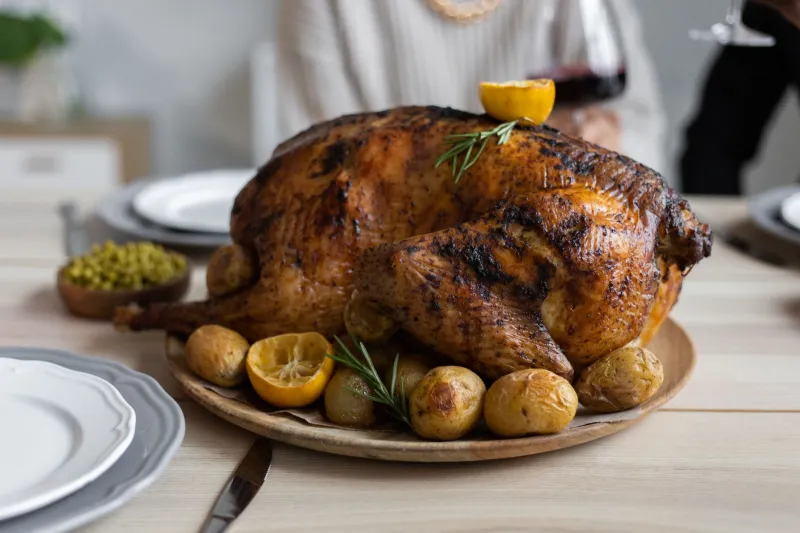
If you're hosting, the leverage is even greater. Traditional recipes can be adjusted—swap butter for olive oil in moderation, use skim milk in mashed potatoes, roast turkey without basting in drippings—and most guests will never notice the difference.
Strategy Two: Build Your Plate Deliberately at Family Dinners
You cannot control your aunt's menu, but you can control your plate architecture. A practical approach:
- Survey everything first. Walk the full buffet or table before serving yourself. Decide which one or two richer items are genuinely worth it, and skip the rest.
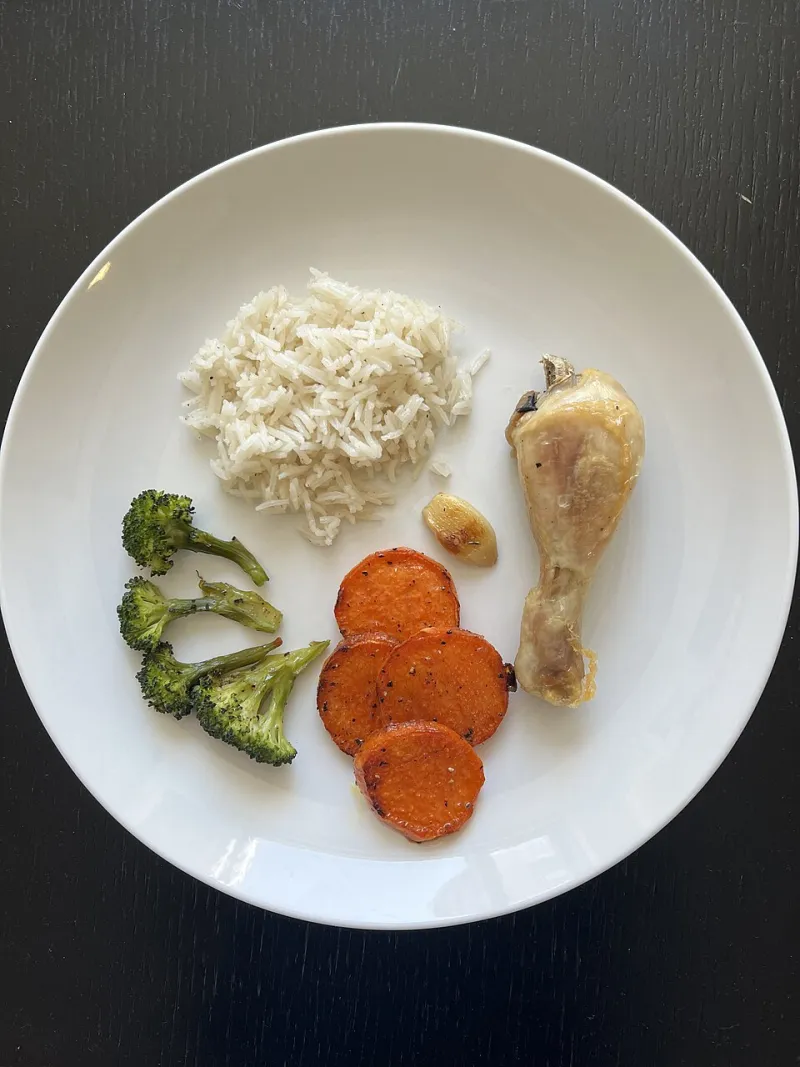
- Anchor with lean protein and vegetables. White turkey meat, green beans, and roasted carrots should form the majority of the plate.
- Watch the sauces. Gravy, cranberry sauce with added butter, and creamy dressings are where fat hides. Serve yourself a small taste rather than a ladleful.
- Slow down. Holiday meals last hours. Eating slowly gives satiety signals time to arrive and reduces the temptation to return for seconds.
Strategy Three: Handle Party Season With a Timing Plan
Office parties, neighborhood open houses, and cocktail hours tend to revolve around passed appetizers—small foods with outsized fat content. Two tactics help:
First, eat a modest, low-fat meal before arriving. Arriving hungry at a party is a recipe for grazing on fried hors d'oeuvres.
Second, if you know the evening will include a heavier meal, some clinicians advise taking your Orlistat capsule with that meal rather than skipping it entirely—while others suggest that skipping the dose for a genuinely high-fat occasion is a reasonable harm-reduction choice. The right answer depends on your overall regimen, so this is a question worth asking your prescribing physician or pharmacist before the season begins, not mid-party.
Strategy Four: Keep Treatment Consistent During Travel
Travel is where holiday regimens most often collapse. Pack your Orlistat in carry-on luggage, set dose reminders that account for time-zone changes, and identify a grocery or convenience option at your destination where you can pick up yogurt, fruit, or a rotisserie chicken breast if needed. Consistency of the daily habit matters more than perfection at any single meal.
Set Realistic Expectations for the Season
Perhaps the most important reframing: the goal for November and December is not weight loss acceleration. It is damage containment. A person who maintains their weight through the holidays while others gain two to five pounds has, in effect, achieved a meaningful result. Research on holiday weight gain consistently shows that the season accounts for the majority of annual weight gain for many adults—simply holding the line is a victory.
Weigh yourself weekly rather than daily, expect fluctuation, and judge the season by trend rather than by any single December morning's number.
A Season of Moderation, Not Deprivation
Orlistat is a long-term tool, and long-term tools must survive real life—including pumpkin pie and office cookie exchanges. Take your dose with your meals, keep fat intake moderate rather than eliminated, plan your plates before you arrive, and give yourself explicit permission to enjoy a small portion of the foods that make the season meaningful. January will thank you for it.