Aisle by Aisle: Inside a Registered Dietitian's Orlistat-Friendly Grocery Cart
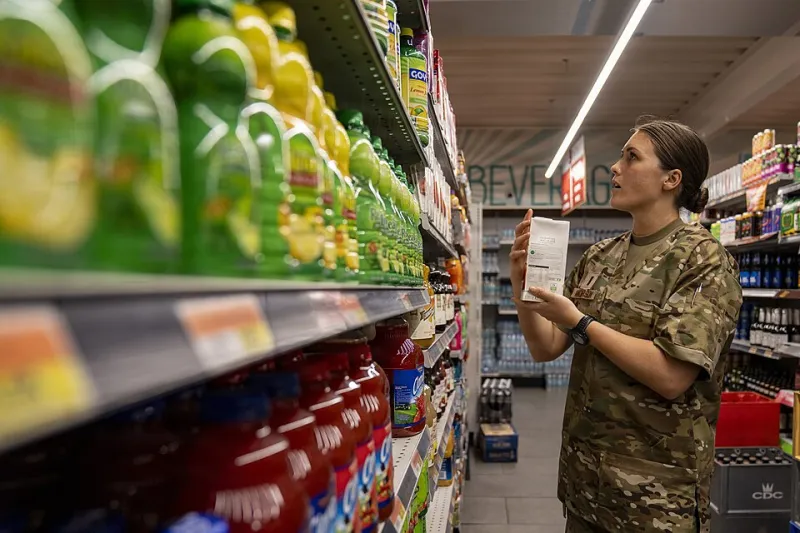
Photo: U.S. Air Force photo by Andrea Jenkins, Public domain, via Wikimedia Commons
Grocery shopping on orlistat can feel like an exam you didn't study for. Every package suddenly demands scrutiny, and the fat that hides in 'healthy' foods—olive oil, nut butters, granola—can trigger the medication's well-known digestive consequences faster than a fast-food meal. That's why we asked a registered dietitian who counsels orlistat patients to walk us through her own weekly cart, aisle by aisle.
"My patients don't fail because they eat badly," she told us. "They fail because they don't know where fat is hiding. The cart is where that gets fixed."
Produce: The Foundation of the Cart
Roughly a third of her basket is produce, and not for the reasons you'd expect. "Vegetables on orlistat aren't just about calories," she explains. "They're about volume and satiety, so patients don't feel deprived when they cut fat to 20–30% of calories."
Her staples: bagged spinach and romaine, baby carrots, frozen broccoli and green beans, apples, berries, and bananas. She keeps fresh avocados off the list for patients in their first months on the medication—one medium avocado carries over 20 grams of fat, which can be enough to cause GI symptoms if eaten in one sitting.
Label tip: Frozen plain vegetables are nutritionally equivalent to fresh and typically cheaper. The only ingredient should be the vegetable itself.
Dairy and Eggs: Where Fat Percentages Matter Most
This aisle is where orlistat users can make or break their week. Her picks are deliberate:
- Fat-free or 1% Greek yogurt (plain, large tubs—Fage 0% and Oikos Triple Zero are common choices)
- Skim or 1% milk, or unsweetened fortified soy milk
- Low-moisture part-skim mozzarella and reduced-fat cheddar
- Egg whites plus one whole egg for breakfast scrambles
"Full-fat cheese is the single most common trigger I see," she says. "People measure a 'sprinkle' and it's actually two ounces."
Meat, Poultry, and Seafood: Lean by Design
Her protein rotation: 93/7 or 96/4 ground beef, boneless skinless chicken breasts and thighs, pork tenderloin, 99% lean ground turkey, and frozen wild-caught fish fillets. Canned tuna in water—never oil—stays stocked for quick lunches.
Label tip: Check the nutrition panel, not the front of the package. "Reduced fat" only means 25% less than the original, which can still be substantial.
The Pantry Aisles: Hidden Fat Country
This is where shopping gets technical. Beans, lentils, whole-grain pasta, brown rice, and oats form the backbone of her pantry recommendations. But she warns patients about three categories:
- Breads and tortillas. Some flour tortillas carry 5–8 grams of fat each from added oils. Compare labels across brands.
- Sauces and condiments. Regular mayonnaise runs about 10 grams of fat per tablespoon. She recommends fat-free Greek yogurt as a base for dressings, or light mayo used sparingly.
- Snack foods. Baked chips (like baked Lay's or Popchips) instead of fried; air-popped popcorn kernels instead of microwave bags with added oil.
Peanut butter stays in the cart, but portioned deliberately: "One tablespoon is four grams of fat. I'd rather patients plan for it than discover it."
The Freezer Aisle: Convenience Without the Fat Penalty
Frozen fruit for smoothies, plain frozen fish, and a rotating selection of lean frozen entrées under 10 grams of fat for nights when cooking isn't happening. She reads frozen meal labels the way an auditor reads a ledger—saturated fat, serving size, and sodium all get checked.
Her Three Label-Reading Rules
- Fat per serving under 5 grams for staple items eaten in quantity.
- Total daily fat spread across three meals, roughly 15 grams each for many patients, per their prescriber's guidance.
- Serving size honesty. If you'll eat two servings, double the numbers before deciding.
The Printable List
Below is the distilled version of her cart—print it, adjust portions with your healthcare provider, and shop with confidence:
- Spinach, romaine, carrots, frozen broccoli, apples, berries, bananas
- Fat-free Greek yogurt, skim milk, part-skim mozzarella, egg whites
- 93/7 ground beef, chicken breast, pork tenderloin, frozen fish, tuna in water
- Beans, lentils, brown rice, oats, whole-grain pasta, whole-wheat bread
- Baked snacks, air-pop popcorn, fat-free dressing or yogurt-based dressings
- Measured nut butters, olive oil spray (used sparingly)
Orlistat works by blocking absorption of roughly a quarter of the fat you eat—which means the remaining three-quarters still counts. A smart cart doesn't eliminate fat; it makes every gram deliberate.