Capsule by Capsule: Decoding the Real Differences Between Alli, Generics, and Store-Brand Orlistat

Photo: pharmacy shelf weight loss medication aisle retail store, via abpharmacy.ca
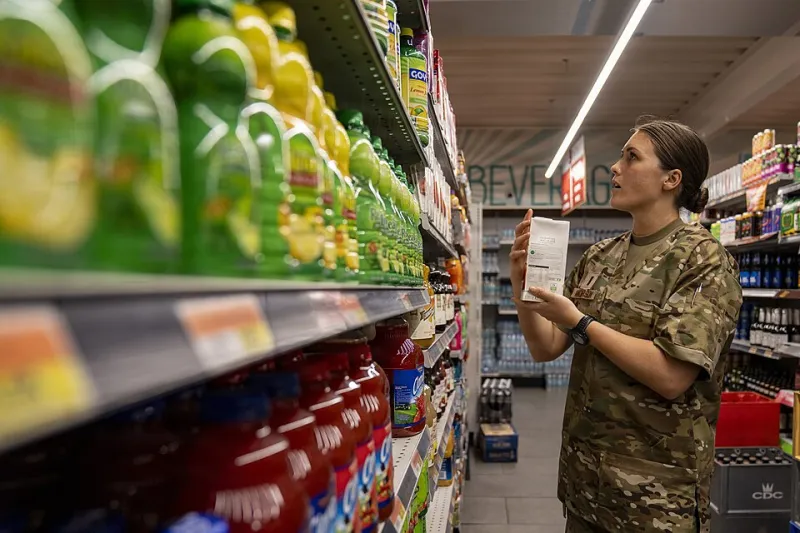
Walk into any major American pharmacy—CVS, Walgreens, your local Kroger—and the weight-loss aisle presents a puzzle. Alli sits in its familiar navy-and-teal box. Next to it, the store's own brand offers the same active ingredient for noticeably less. Online, a dozen sellers promise generic orlistat at prices that seem too good to be true. For consumers, the question is straightforward: are you paying for the drug, or for the packaging?
One Molecule, Many Labels
Start with the chemistry, because it settles half the debate. Alli, generic orlistat, and retailer store brands all contain the same active ingredient at the same over-the-counter strength: 60 mg per capsule. Orlistat blocks roughly a quarter of the fat you eat from being absorbed, regardless of whose name appears on the box. The FDA does not grant approval to a molecule one way for a big brand and another way for a store label.
What actually differs is everything wrapped around that molecule: the capsule shell, any coatings, the excipients (inactive ingredients), the blister packaging, and the quality controls applied during manufacturing.
Where Your Money Actually Goes
The Alli premium buys brand stewardship—consistent manufacturing under the original license holder, polished packaging, and decades of consumer familiarity. Generic and store-brand versions, typically made by contract manufacturers, must demonstrate the same bioequivalence standards to reach shelves, but their formulations can differ in minor ways: a different capsule color, a different binding agent, occasionally a different tolerability profile for sensitive stomachs.
Price-per-dose is where the gap widens. A 60-count Alli supply frequently runs two to three times the cost of an equivalent store-brand orlistat from Walmart, Target, or Costco. Over a six-month course taken three times daily, that difference compounds into a meaningful sum—often well over a hundred dollars.
A Shopper's Verification Checklist
Before any orlistat purchase, particularly online, run through this list:
- Confirm the Drug Facts label. Legitimate products list orlistat 60 mg as the active ingredient, in FDA-required format.
- Check for a National Drug Code (NDC) number. Every FDA-approved OTC drug carries one.
- Be wary of "herbal orlistat" or "natural fat blockers." These phrases are red flags for unapproved or counterfeit products.
- Scrutinize online sellers. Legitimate e-pharmacies list a physical US address and licensed pharmacist contact. Sites shipping from overseas or accepting only wire transfers or cryptocurrency should be avoided entirely.
- Inspect the packaging on arrival. Blister seals, lot numbers, and expiration dates should all be present and intact.
The Bottom Line for Budget-Conscious Shoppers
For most consumers, a store-brand orlistat from a reputable national retailer delivers the same therapeutic effect as Alli at a fraction of the cost. The one population that may prefer the brand: those who experienced tolerability issues on a generic and want to rule out formulation differences. Otherwise, the active ingredient doesn't care about the logo. Spend the savings on a dietitian visit or a good pair of walking shoes—both will do more for your results than a premium box ever will.