Eating Smart on Orlistat: The Practical Dietary Playbook Every User Needs
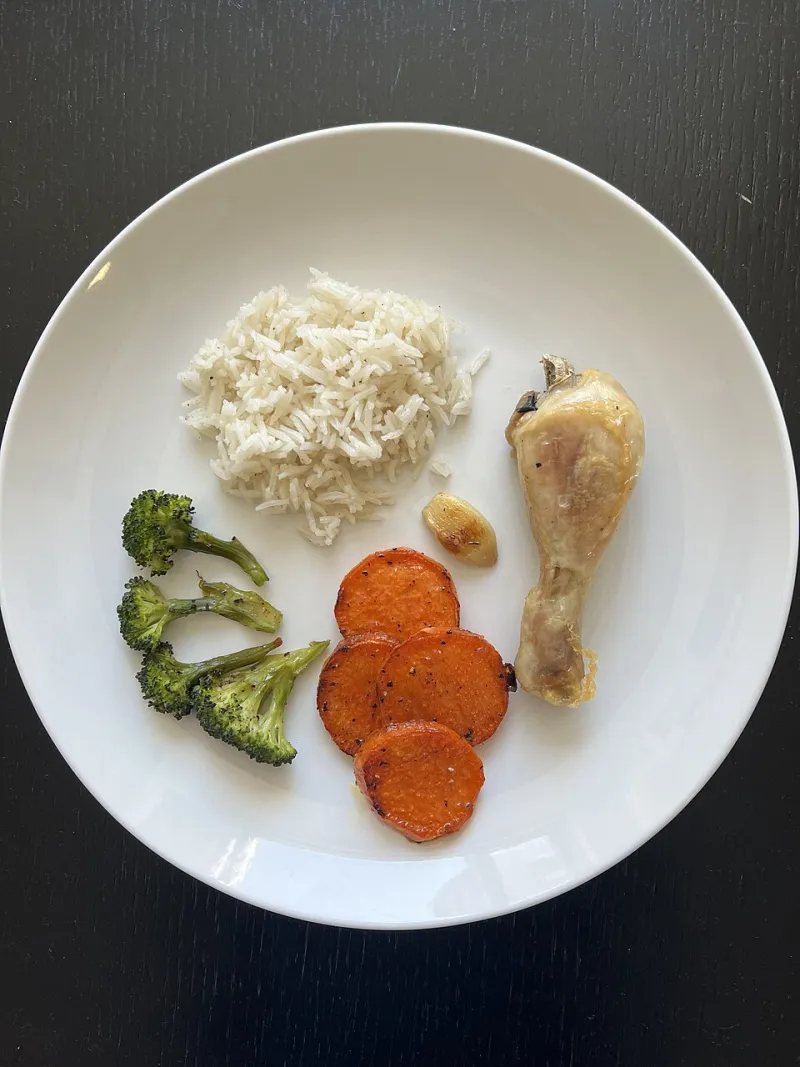
Photo: HaJunkiyada, CC BY-SA 4.0, via Wikimedia Commons
Orlistat is not a passive medication. Unlike some pharmaceutical interventions that work independently of lifestyle factors, this lipase inhibitor operates in direct partnership with what you eat. Get the dietary component right, and the medication becomes a genuinely powerful ally in your weight management strategy. Neglect it, and you are likely to experience the gastrointestinal side effects that give Orlistat its reputation—while also limiting the results you could otherwise achieve.
This guide is written specifically for Orlistat users who want actionable, evidence-informed dietary strategies rather than generic advice recycled from mainstream diet culture. If you are taking Xenical (prescription-strength Orlistat at 120 mg) or the over-the-counter Alli formulation (60 mg), the principles here apply directly to your daily routine.
Understanding Why Diet Is Non-Negotiable With This Medication
Orlistat functions by binding to and inhibiting pancreatic and gastric lipase enzymes in the gastrointestinal tract. These enzymes are responsible for breaking dietary triglycerides into smaller molecules that can be absorbed through the intestinal wall. By blocking roughly one-third of ingested fat from being absorbed, Orlistat reduces caloric intake without requiring users to consciously track every gram of food they consume.
The mechanism is elegant—but it creates a direct, dose-dependent relationship between dietary fat intake and gastrointestinal consequences. When fat passes through the gut undigested, the result can include oily spotting, loose stools, flatulence with discharge, and urgent bowel movements. These effects are not random; they are predictable responses to fat intake that exceeds what the medication can comfortably manage. Understanding this relationship transforms dietary choices from abstract health advice into immediate, practical cause-and-effect.
The Fat Threshold: Finding Your Personal Ceiling
Clinical guidelines generally recommend that Orlistat users limit total fat intake to no more than 30 percent of daily calories. For someone consuming 1,800 calories per day, this translates to approximately 60 grams of fat. Distributing that allowance evenly across three meals—roughly 20 grams of fat per sitting—is widely considered the most effective approach for minimizing adverse effects.
However, individual tolerance varies. Some users find they can comfortably manage slightly higher fat meals without significant symptoms, while others experience discomfort at lower thresholds, particularly early in treatment. Keeping a brief food and symptom diary during the first two to four weeks of use allows you to identify your personal ceiling—the fat intake level at which the medication's effects remain manageable. This self-knowledge becomes one of your most useful tools.
Practically speaking, this means learning to read nutrition labels with a specific focus on fat content per serving, rather than calories alone. A single tablespoon of olive oil contains approximately 14 grams of fat—a meaningful portion of a 20-gram per-meal budget. Salad dressings, cooking oils, cheese, fatty cuts of meat, and processed snack foods are the most common sources of inadvertent fat overconsumption among Orlistat users.
Fat-Soluble Vitamins: The Supplementation Imperative
Because Orlistat reduces fat absorption in the gut, it simultaneously reduces the absorption of fat-soluble vitamins—specifically vitamins A, D, E, and K. Over time, inadequate intake of these nutrients can have meaningful health consequences, ranging from compromised immune function to reduced bone density.
The standard recommendation is to take a daily multivitamin that contains fat-soluble vitamins, with one critical timing caveat: the supplement should be taken at least two hours before or after an Orlistat dose. Taking it simultaneously with the medication risks having the supplement's fat-soluble components swept through the gut unabsorbed along with dietary fat.
Many healthcare providers recommend taking the multivitamin at bedtime, which conveniently separates it from the three meal-time doses of Orlistat. This simple scheduling habit is one of the most commonly overlooked aspects of Orlistat use—and one of the most important for long-term nutritional health.
Meal Timing and Dose Strategy
Orlistat is taken with each main meal containing fat, or up to one hour after eating. If a meal contains no fat, the dose can be skipped—this is not a medication that provides benefit when taken without a fat-containing meal, and skipping doses under these circumstances is appropriate and endorsed in prescribing guidelines.
Strategic meal planning around this dosing structure can meaningfully reduce side effect burden. Consider front-loading your day with lower-fat meals—oatmeal with fresh fruit for breakfast, a grain bowl with lean protein for lunch—and reserving slightly higher-fat content for dinner when you may be less concerned about gastrointestinal urgency during work or social commitments. Many experienced Orlistat users report that this temporal distribution of fat intake across the day produces the most comfortable and productive medication experience.
Pantry Staples That Support Orlistat Success
A strategic kitchen overhaul is one of the highest-leverage steps a new Orlistat user can take. The goal is not deprivation, but substitution—replacing high-fat staples with alternatives that satisfy the same culinary functions without exceeding your per-meal fat budget.
Proteins: Skinless chicken breast, turkey, canned tuna in water, egg whites, low-fat Greek yogurt, and legumes such as lentils and black beans provide substantial protein with minimal fat. These form the backbone of Orlistat-compatible meals.
Grains and starches: Whole grains—brown rice, quinoa, farro, whole-wheat pasta—provide satiety and fiber. The fiber component is particularly valuable, as it supports digestive regularity and helps moderate the gastrointestinal effects associated with unabsorbed fat.
Dairy alternatives: Full-fat cheese and cream can quickly exhaust a meal's fat budget. Reduced-fat cottage cheese, part-skim mozzarella, and unsweetened non-dairy milks offer satisfying alternatives that preserve culinary versatility.
Cooking methods: Replacing pan-frying and sautéing in generous amounts of oil with roasting, steaming, poaching, and air-frying dramatically reduces incidental fat in everyday cooking without sacrificing flavor complexity.
Common Mistakes That Undermine Results
Several recurring dietary errors consistently surface among Orlistat users who report poor results or persistent side effects.
Underestimating restaurant meals. Restaurant portions frequently contain two to three times the fat of home-cooked equivalents. A single restaurant entrée—particularly at casual dining chains common across the US—can easily contain 50 to 80 grams of fat, far exceeding a single-meal budget. When dining out, prioritizing grilled proteins, vegetable-forward dishes, and requesting sauces and dressings on the side provides meaningful control.
Assuming "healthy" foods are low-fat. Avocado, nuts, seeds, and olive oil are nutritionally valuable foods—but they are calorically dense and high in fat. A small handful of mixed nuts can contain 15 to 20 grams of fat. These foods are not incompatible with Orlistat use, but they require the same accounting as any other fat source.
Skipping meals to avoid side effects. Some users attempt to sidestep gastrointestinal symptoms by eating infrequently or very sparingly. This approach tends to backfire, leading to overconsumption at subsequent meals and paradoxically worsening symptoms. Regular, balanced, moderate-fat meals distributed across the day remain the most effective structural approach.
Building a Sustainable Dietary Rhythm
The users who report the most durable success with Orlistat are, almost universally, those who have internalized the dietary principles described here—not as a temporary diet, but as a recalibrated relationship with food that accommodates the medication's mechanism. Over time, the habit of checking fat content, distributing intake across meals, and choosing lower-fat cooking methods becomes second nature rather than effortful calculation.
Orlistat is most accurately understood as a dietary feedback system as much as a pharmaceutical intervention. Used thoughtfully, with genuine attention to the nutritional principles outlined above, it can serve as a meaningful and sustainable component of a medically supported weight management program.